Stable Diffusion AI online
Mesterséges intelligencia mindenki számára ingyenesen elérhető
Generálj AI-képeket ingyen, közvetlenül a böngésződben.
Adj meg egy promptot. Eszközeink egyedi képeket hoznak létre másodpercek alatt. Nincs szükség fiókra, GPU-ra vagy telepítésre.
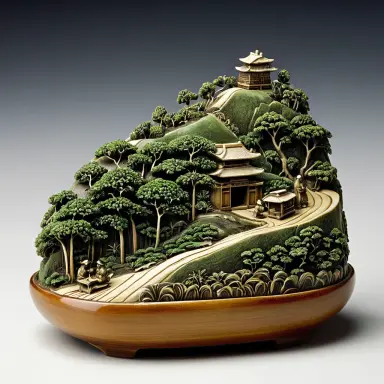
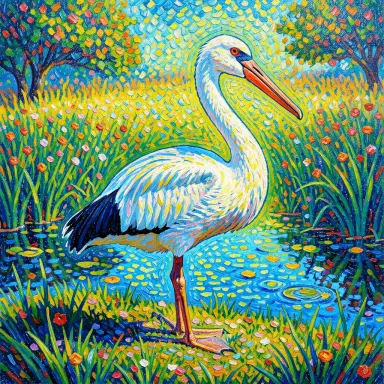

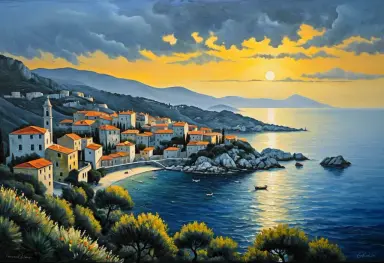
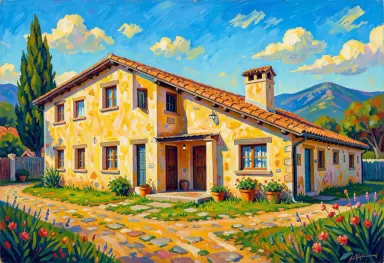
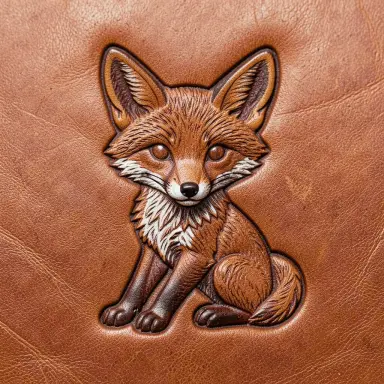
Ingyenes képgeneráló eszközök online
 Stable Diffusion 3
Szövegből kép a Stable Diffusion 3-mal, fiók nélkül
Stable Diffusion 3
Szövegből kép a Stable Diffusion 3-mal, fiók nélkül
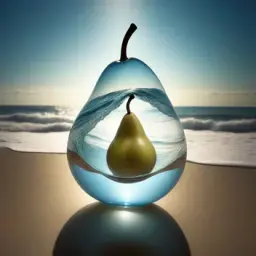 Inpainting Népszerű
Fesd újra a kép bármely részét egy prompt alapján
Inpainting Népszerű
Fesd újra a kép bármely részét egy prompt alapján
 Upscaling Népszerű
Nagyíts fel egy képet akár kétszeresére, élesebb részletekkel
Upscaling Népszerű
Nagyíts fel egy képet akár kétszeresére, élesebb részletekkel
 Stable Diffusion XL demo
Ingyenes online Stable Diffusion XL 1.0 demó, fiók nélkül
Stable Diffusion XL demo
Ingyenes online Stable Diffusion XL 1.0 demó, fiók nélkül
 FLUX.2 styles Új
Művészi stílusok a FLUX.2-vel, ugyanazokon a jeleneteken
Qwen-Image 2.1 Új
Az Alibaba nyílt képmodellje, éles szöveg és szerkesztés
MiniMax-H3 Új
Nyílt videómodell szinkronizált hangsávval
Wan 2.2 I2V
Alakíts egy fotót rövid videóvá a Wan 2.2-vel
FLUX.2 styles Új
Művészi stílusok a FLUX.2-vel, ugyanazokon a jeleneteken
Qwen-Image 2.1 Új
Az Alibaba nyílt képmodellje, éles szöveg és szerkesztés
MiniMax-H3 Új
Nyílt videómodell szinkronizált hangsávval
Wan 2.2 I2V
Alakíts egy fotót rövid videóvá a Wan 2.2-vel
Ingyenes mesterséges intelligencia és LLM eszköztár:
Közösségi műalkotások
 a numbat with the first lights on anime background
 photograph of a sea otter floating on its back holding a shell calm kelp bay soft morning light
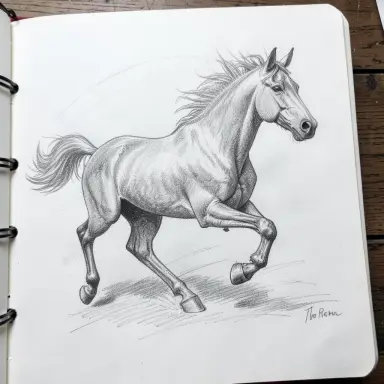 pencil drawing of a horse galloping dynamic lines sketchbook with light charcoal shading
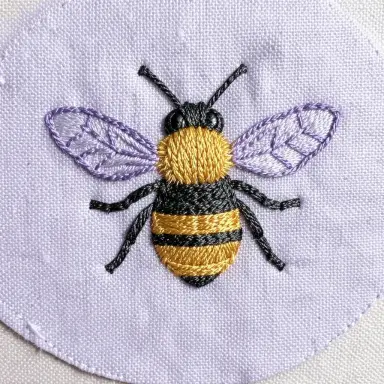 embroidery of a bee on lavender
 watercolor painting, wooden cabin with a straw roof on a cliff, coastal view, contemporary, high contrast, cell shading, strong
 anime style a woman tending bonsai
 higly detailed, majestic royal tall ship on a calm sea,realistic painting, by Charles Gregory Artstation and Antonio Jacobsen
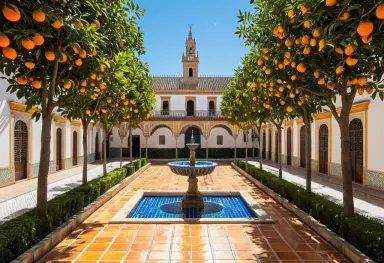 photograph of a sunny courtyard in seville with orange trees azulejo tiles and a fountain professional
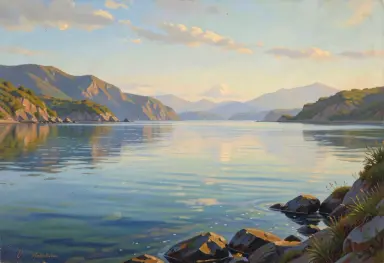 luminist painting of a calm bay
 oil painting of a wizard tower on a cliff during a storm lightning dramatic chiaroscuro
 futuristic underwater house with glass domes video game, manga futuristic, art by , Ian Mcque, in the style of , Marvel, ne
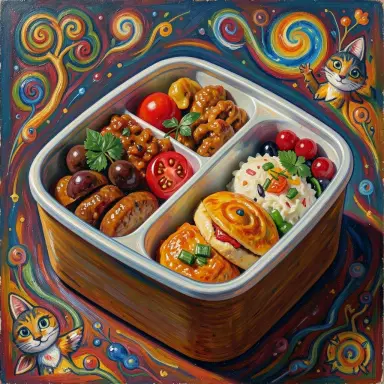 a bento box close up surrealist painting
 a sunfish as a snow globe scene macro photograph
 batik of a koala
 stone cairn balance sculpture
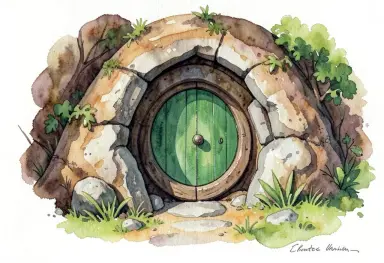 a hobbit hole with a round green door gouache
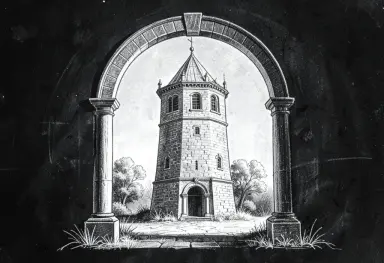 a folly tower framed by an arch chalk drawing
 sailing ship on a calm sea under a full moon starry sky silver reflections
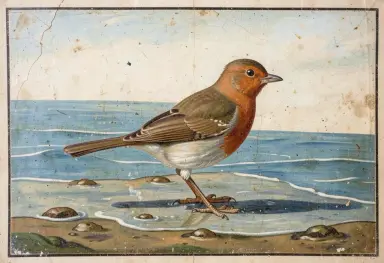 a robin at low tide fresco
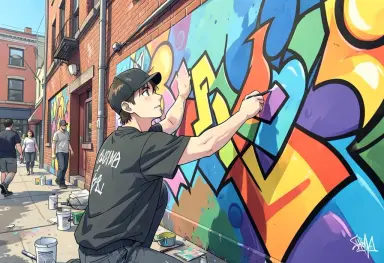 anime style a street artist painting a mural
 pointillist painting of people relaxing in a park by a river on a sunny afternoon
 anime style a cliff shrine
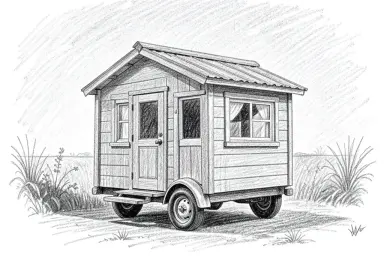 a tiny house on wheels chalk drawing
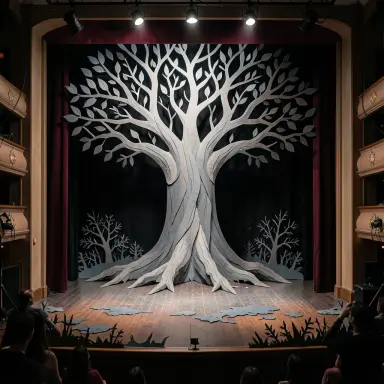 the world tree as a theatre set papercut art
Mi az a Stable Diffusion?
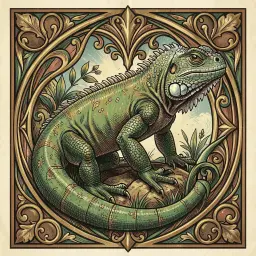
Stable Diffusion egy AI, amely szövegből hoz létre képeket. Írd be amit szeretnél — ő megcsinálja.
Fejlesztette: StabilityAI , nyílt forráskódú. Egy átlagos GPU-n fut — nincs szükség felhőre. A közösség nagyon aktív. Sok modell és kiegészítő ingyenes. Még a saját képeiddel is betaníthatod!
Millió képen tanult. Használd digitális művészethez, fotószerkesztéshez, animációkhoz és máshoz is.
Példákat láthat a utasítás galériánkban, Művészeti Galéria és képböngészőnkben..Gyakran Ismételt Kérdések
Ingyenes a Stable Diffusion?
Igen. A Stable Diffusion nyílt forráskódú modell, amelyet ingyen letölthetsz és futtathatsz a saját számítógépeden. Az oldal minden eszköze szintén ingyenes: az online demók, az inpainting, a képnagyítás és a promptgenerátor fiók nélkül működik, a saját GPU-nkon futó szövegből kép funkcióhoz pedig csak egy ingyenes fiók kell. Nincs kredit, nincs előfizetés.
Kell fiók a képek generálásához?
Az online demókhoz, az inpaintinghez, a képnagyításhoz és a promptgenerátorhoz nem kell fiók: nyisd meg az oldalt, és kezdd el. Az e-mail-címmel létrehozott ingyenes fiók megnyitja a szövegből kép funkciót a saját GPU-nkon Stable Diffusion 1.5 és SDXL 1.0 modellel, a lépésszám, a CFG-skála, a seed és a képméret teljes beállításával.
Hogyan használhatom a Stable Diffusiont online?
Nyisd meg az ingyenes demót, írd le a kívánt képet, majd kattints a Generate gombra. A kép néhány másodperc múlva megjelenik, és letöltheted. A jobb eredményhez adj meg részleteket a stílusról és a fényekről, írj negatív promptot, vagy változtasd meg a seedet, hogy más változatokat is kipróbálj. Semmit sem kell telepíteni.
Ez a Stable Diffusion hivatalos weboldala?
Nem. A Stable Diffusiont a Stability AI fejleszti, amelynek hivatalos weboldala a stability.ai. A stablediffusion.fr független oldal, 2022 óta érhető el, és ingyenes eszközöket kínál a Stable Diffusion és más nyílt modellek böngészőben való használatához, útmutatókkal, promptpéldákkal és művészreferenciákkal. Nem áll kapcsolatban a Stability AI-jal.
Mi az az utasítás?
A prompt egy szöveges leírás, amely irányítja az AI-t. Tartalmazhat témát, művészeti stílust, megvilágítást, hangulatot és médiumot — például: 'egy középkori lovag egy sötét erdőben, olajfestmény, drámai megvilágítás, filmes'. Minél pontosabb a promptod, annál közelebb lesz az eredmény az elképzelésedhez. Tartsd 350 karakter alatt a legjobb eredményekhez.
A negatív prompt megmondja az AI-nak, mit hagyjon ki a képből.
Mi az a negatív prompt?
A negatív prompt megmondja az AI-nak, mit NE mutasson. Tipikus példák: 'blurry, low quality, watermark, text, deformed hands'. Ezekkel eltávolíthatod a jellemző AI-hibákat.
A negatív promptok gyorsan javítják a képminőséget. Adj hozzá súlyokat — például '(blurry:1.4)' — hogy erősebbek legyenek.
Mit jelent a seed?
A seed egy szám, amely inicializálja a képgenerálás mögötti véletlenszerű folyamatot. Minden kép zajból indul, és a seed meghatározza, hogyan néz ki ez a kiindulási zaj. Hagyd -1-en, hogy minden alkalommal véletlenszerű seedet — és más képet — kapj.
Rögzítsd a seedet, hogy pontosan ugyanazt a képet reprodukálhasd. Ez hasznos kísérletezéshez: tartsd a seedet állandón, míg csak a promptot vagy a beállításokat változtatod, hogy pontosan összehasonlítsd a változatokat. Így tudod később is újra létrehozni egy kedvenc eredményt.
Mi az a LoRA?
A LoRA a Low-Rank Adaptation rövidítése. Egy kis kiegészítő fájl (általában 50–150 MB), amely finomhangolja az alap modellt egy adott stílusra, karakterre vagy témára — anélkül, hogy az egész modellt újratanítaná.
Tölts be egy LoRÁt, hogy képeket generálj egy adott művészeti stílusban, reprodukálj egy adott karaktert, vagy egyezz meg egy referencia-koncepcióval. Több LoRát is kombinálhatsz egyetlen promptban súlyok segítségével: <lora:my-style:0.8>. Több ezer ingyenes LoRA elérhető a Civitai-on és a Hugging Face-en.
Hogyan telepítsük a Stable Diffusiont helyben?
A Stable Diffusion helyi futtatásához legalább 6 GB VRAM-mal rendelkező újabb NVIDIA GPU szükséges. Az AMD GPU-k ROCm-meghajtókkal működnek Linuxon. Az Apple Silicon (M1/M2/M3) is támogatott az MPS backend-en keresztül. Ha nincs kompatibilis GPU-d, ingyenes online eszközünk közvetlenül a böngésződben fut — nincs szükség telepítésre.
Töltsd le az base model és a refiner modelleket a Stability AI-tól.Telepítsd a Python 3.10 és a Gitet.
Töltsd le a webUI-t innen: Automatic1111.
Tedd mindkét modellt a models/Stable-diffusion mappába.
Keresd meg awebui.bat fájlt és kattints rá duplán.
Nyisd meg a böngészőt a localhost:7860 címen.
Mennyi VRAM kell a Stable Diffusionhoz?
Legalább 4 GB VRAM szükséges a Stable Diffusion futtatásához. Az SDXL modelleknél 6 GB az ajánlott minimum. 8 GB vagy több esetén nagyobb képeket generálhatsz és több funkciót használhatsz.
GPU nélkül is futtathatod CPU-n, de sokkal lassabb. Ingyenes online demónkat GPU nélkül is használhatod.
Mi az az img2img?
Az img2img lehetővé teszi, hogy egy meglévő képet kiindulópontként használj. Megadsz egy forrásképet és egy promptot. A Stable Diffusion ezután az utasításaid alapján átalakítja a képet.
Használd egy fotó stílusának megváltoztatásához, egy generált kép javításához vagy egy vázlat finomításához. A denoising erőssége szabályozza, mennyit változtat az AI az eredetin.
Használhatom kereskedelmi célra a Stable Diffusion képeket?
Ez a modelltől függ. A Stable Diffusion alap modelljei a CreativeML Open RAIL-M licencet használják. Ez engedélyezi a kereskedelmi felhasználást, de korlátozásokkal — nem használhatod a képeket emberek megkárosítására vagy megtévesztésére.
Mindig ellenőrizd a használt checkpoint licencét. Egyes közösségi modellek korlátozzák a kereskedelmi felhasználást. Ha AI-generált képeket adsz el vagy teszel közzé, jegyezd fel a modellt és a licencét.
Mi az a ControlNet?
A ControlNet egy kiegészítő a Stable Diffusionhoz, amely pontos kontrollt ad a képkompozíció felett. Megadsz egy referencia képet — pózot, éldetektálási vagy mélységtérképet — és az AI követi azt a struktúrát.
Használd a ControlNetet egy személy pontos pózának megőrzéséhez, jelenetelosztás másolásához vagy vázlat precíz követéséhez. A promptoddal együtt működve irányítja a kép tartalmát és szerkezetét.
Mi az a checkpoint?
A checkpoint egy mentett AI-modellfájl. Mindent tartalmaz, amit a modell a tanítás során megtanult. Egy checkpointot töltesz be, hogy beállítsd a képeid stílusát és témáját.
A különböző checkpointok nagyon eltérő eredményeket adnak. Némelyiket realisztikus fotókhoz, másokat animéhez vagy illusztrációhoz tanítottak. Ingyenes checkpointokat tölthetsz le a Hugging Face-ről vagy a Civitairól.
Mi az a ComfyUI?
A ComfyUI egy ingyenes, csomópontalapú felület a Stable Diffusionhoz. Képworkflow-kat hozol létre csomópontnak nevezett blokkok összekapcsolásával. Minden csomópont egy lépést végez — modellt tölt be, promptot ad hozzá vagy menti a képet.
A ComfyUI teljes kontrollt ad minden lépés felett. Gyorsabb és könnyebb, mint az Automatic1111. A haladó felhasználók összetett workflow-khoz kedvelik. A workflow-kat JSON-fájlként megoszthatod.
Mi az a Flux?
A Flux egy szöveg-képpé alakító AI modell a Black Forest Labs-tól, amelyet korábbi Stability AI kutatók alapítottak. A legújabb verzió a FLUX.2, amely 2025 novemberében jelent meg. Akár 4MP felbontású, fotorealisztikus képeket készít többreferenciás vezérléssel.
A FLUX.2 négy változatban érhető el: Max (legjobb minőség), Pro (minőség teljes sebességgel), Flex (precizitás és éles szövegmegjelenítés) és Dev (nyílt súlyok, szabad telepítés). A FLUX.2 Dev futtatható ComfyUI-ban vagy Automatic1111-ben — ugyanazokkal az eszközökkel, mint a Stable Diffusion.
Mi a Stable Diffusion legújabb verziója?
A legújabb verzió a Stable Diffusion 3.5 , 2024 októberében jelent meg. Élesebb képeket produkál, lényegesen jobb szövegmegjelenítéssel, gazdagabb színekkel és fejlettebb apró részletekkel. Három méretben érhető el: Large (8 milliárd paraméter), Large Turbo gyors generáláshoz és Medium — mind futtatható lokálisan mérsékelt VRAM-mal.