


在线免费图像生成工具
 Stable Diffusion 3
用 Stable Diffusion 3 文生图,无需账户
Stable Diffusion 3
用 Stable Diffusion 3 文生图,无需账户
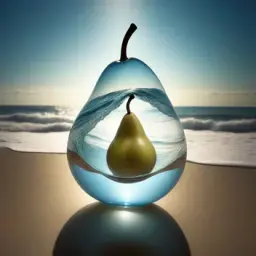 Inpainting 热门
用提示词重绘图像的任意区域
Inpainting 热门
用提示词重绘图像的任意区域
 Upscaling 热门
图像最高放大 2 倍,细节更清晰
Upscaling 热门
图像最高放大 2 倍,细节更清晰
 Stable Diffusion XL demo
免费 Stable Diffusion XL 1.0 在线演示,无需账户
Stable Diffusion XL demo
免费 Stable Diffusion XL 1.0 在线演示,无需账户
免费人工智能工具箱
社区创作的图像
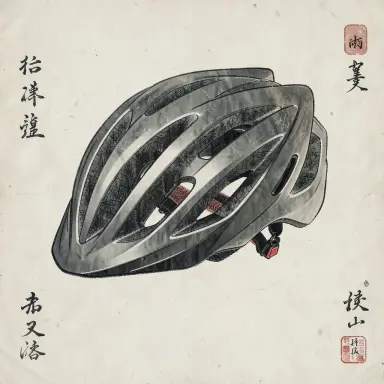
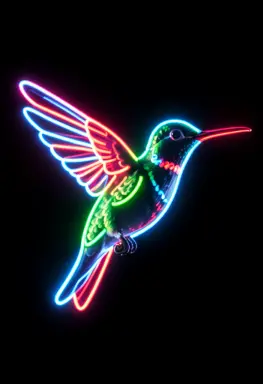 neon bending of a hummingbird
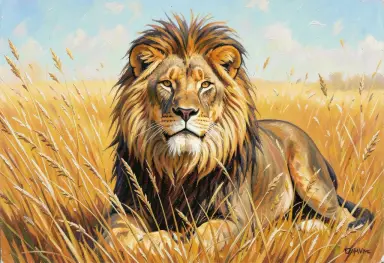 oil painting of a lion in golden grass
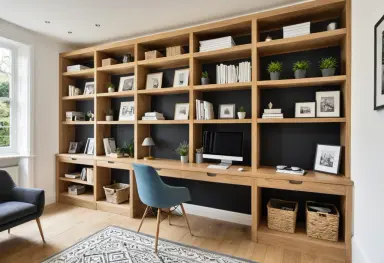
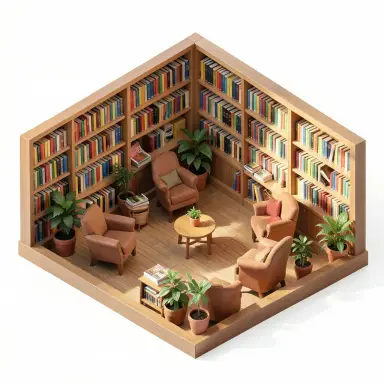 isometric cutaway of a cozy bookshop cafe shelves full of colourful books armchairs plants warm daylight
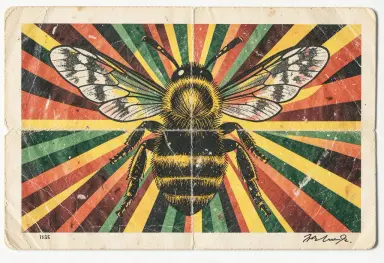
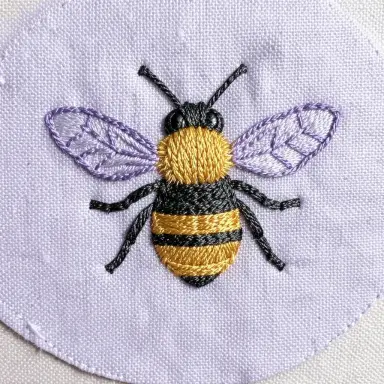 embroidery of a bee on lavender
 a dinosaur in a tiny office at a computer looking confused pixel art 16 bit style
 anime background fishing with grandfather while shoeing a horse in the style of inio asano
 a snow globe containing a tiny alpine village close up soft light 3d illustration
 anime background a river town with lanterns at dusk
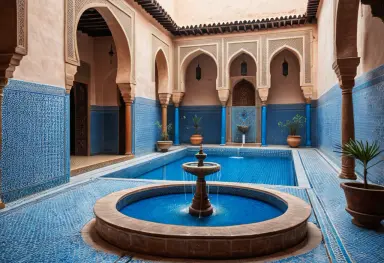 photograph of a moroccan riad courtyard with blue zellige tiles and a fountain soft morning light ultra
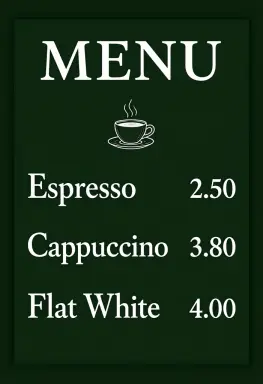 a coffee shop menu board poster the heading menu at the top and below it three lines espresso 2 50 cappuccino
 a hamster driving a toy car claymation
 a ski resort poster in a 1930s art deco travel style the headline chamonix at the top in tall geometric
 a turtle as a theatre set cinematic still
 anime style a sunset surfer
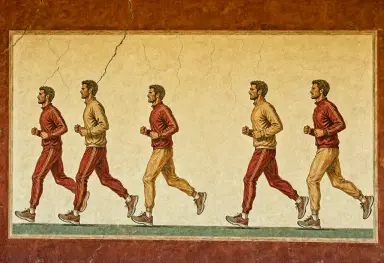 a fresco style painting of modern joggers running along the painted wall of an ancient villa their tracksuits
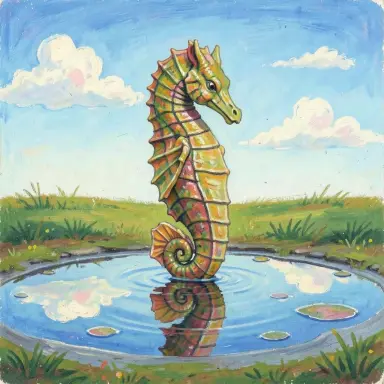 a seahorse with puddles reflecting the sky naive painting
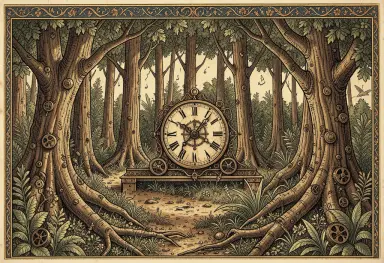 a clockwork forest persian miniature
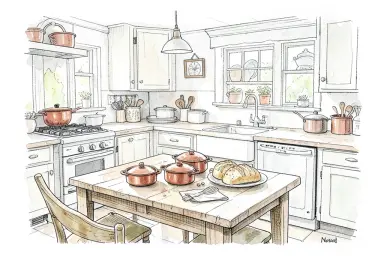 ink line drawing with light watercolor of a rustic farmhouse kitchen copper pots bread on the table
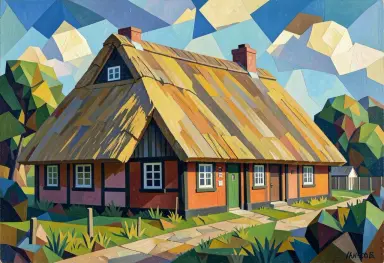 a danish thatched farm cubist painting
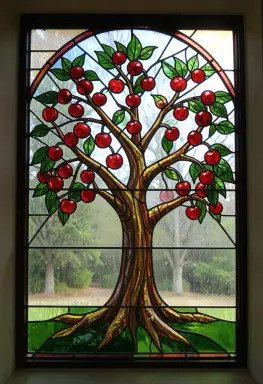 stained glass of a cherry tree
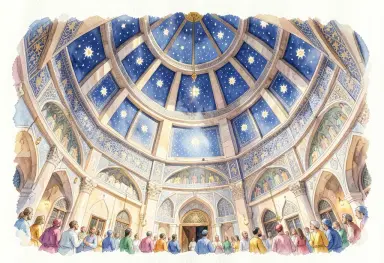 a hammam dome with star skylights during a festival watercolor
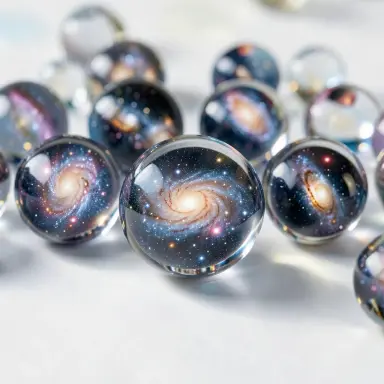 glass marbles with galaxies inside
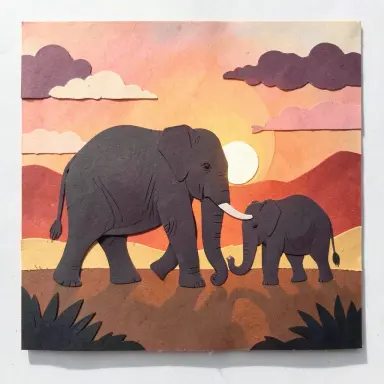 papercut art of an elephant family walking at sunset layered paper warm palette
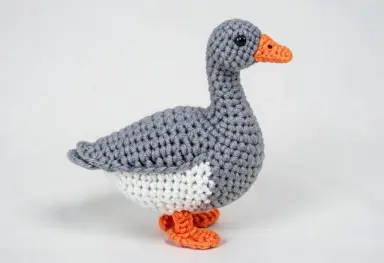 crochet of a greylag goose
什么是Stable Diffusion?

Stable Diffusion 是一款从文字生成图像的 AI。输入您想要的内容 — 它就会创建图像。
由 StabilityAI ,它是开源的。在普通 GPU 上运行,无需云服务。社区非常活跃。许多模型和插件免费使用。您甚至可以用自己的图像进行训练!
它在数百万张图像上进行了训练。可用于数字艺术、图片编辑、动画等。
你可以在 我们的提示集合, 图片库 和 图像浏览器中找到例子.常见问题
Stable Diffusion 是免费的吗?
是的。Stable Diffusion 是开源模型,可以免费下载并在自己的电脑上运行。本站的所有工具同样免费:在线演示、局部重绘、图像放大和提示词生成器无需账户即可使用,在我们自有 GPU 上运行的文生图只需要一个免费账户。没有积分,也没有订阅。
生成图像需要账户吗?
在线演示、局部重绘、图像放大和提示词生成器都不需要账户:打开页面即可开始。使用电子邮箱创建的免费账户可以解锁在我们自有 GPU 上运行的文生图,支持 Stable Diffusion 1.5 和 SDXL 1.0,并可完全控制步数、CFG 值、seed 和图像尺寸。
如何在线使用 Stable Diffusion?
打开免费演示,输入你想要的图像描述,然后点击 Generate。几秒钟后图像就会出现,并且可以下载。想要改进结果,可以补充风格和光线的细节,写一条负向提示词,或者更换 seed 来探索不同的变化。无需安装任何东西。
这是 Stable Diffusion 的官方网站吗?
不是。Stable Diffusion 由 Stability AI 开发,其官方网站是 stability.ai。stablediffusion.fr 是一个独立网站,自 2022 年起上线,提供在浏览器中使用 Stable Diffusion 和其他开放模型的免费工具,以及指南、提示词示例和艺术家参考。本站与 Stability AI 没有隶属关系。
什么是提示?
Prompt 是引导 AI 的文本描述。可以包含主题、艺术风格、光线、氛围和媒介——例如:'黑暗森林中的中世纪骑士,油画,戏剧性光线,电影感'。Prompt 越具体,结果越接近您的设想。请控制在 350 个字符以内以获得最佳效果。
负向提示词告诉 AI 图像中不应该出现什么。
什么是负向提示词?
负向提示词告诉 AI 不要显示什么。常见示例:'blurry, low quality, watermark, text, deformed hands'。用这些来消除典型的 AI 错误。
负向提示词能快速提升图像质量。添加权重 — 如 '(blurry:1.4)' — 使其效果更强。
'seed'是什么意思?
种子(seed)是初始化图像生成随机过程的数字。每张图像都从噪声开始,种子决定了起始噪声的样子。设为 -1 可每次获得随机种子——以及不同的图像。
固定种子以精确重现同一张图像。这对实验很有用:保持种子不变,只改变提示词或设置,即可精准对比不同变体。也是日后重新生成喜欢的结果的方法。
什么是LoRA?
LoRA 代表 Low-Rank Adaptation(低秩适应)。它是一个小型附加文件(通常 50–150 MB),可在不重新训练整个模型的情况下,针对特定风格、角色或主题对基础模型进行微调。
加载 LoRA 可以生成特定艺术风格的图像、重现特定角色或匹配参考概念。可以在一个提示词中使用权重组合多个 LoRA:<lora:my-style:0.8>。Civitai 和 Hugging Face 上有数千个免费 LoRA 可下载。
如何本地安装 Stable Diffusion?
本地运行 Stable Diffusion 需要至少 6 GB VRAM 的 NVIDIA GPU。AMD GPU 在 Linux 上通过 ROCm 驱动支持。Apple Silicon(M1/M2/M3)也可通过 MPS 后端使用。若没有兼容的 GPU,我们的免费在线工具可直接在浏览器中运行——无需任何安装。
首先,从 Stability AI 下载 base model 和 refiner 。然后安装 Python 3.10 和 Git。
从以下地址获取 webUI: Automatic1111.
将两个模型放入 models/Stable-diffusion 文件夹。
找到webui.bat 并双击安装。
在浏览器中打开 localhost:7860。
运行 Stable Diffusion 需要多少 VRAM?
运行 Stable Diffusion 至少需要 4 GB 显存。SDXL 模型的推荐最低配置为 6 GB。有 8 GB 或更多显存,可以生成更大的图像并使用更多功能。
没有 GPU 也可以用 CPU 运行,但速度慢很多。你也可以使用我们免费的在线演示,无需 GPU。
什么是 img2img?
Img2img 让你用现有图像作为起点。你提供一张原始图像和一个提示词。Stable Diffusion 根据你的指令对图像进行变换。
用它来改变照片风格、修改生成的图像或细化草图。去噪强度控制 AI 改变原图的程度 — 低值保持接近原图,高值则大幅变换。
我可以将 Stable Diffusion 图像用于商业用途吗?
这取决于所使用的模型。Stable Diffusion 基础模型采用 CreativeML Open RAIL-M 许可证。该许可证允许商业使用,但有一些限制——不得使用图像伤害或欺骗他人。
始终检查所用 checkpoint 的许可证。部分社区模型限制商业用途。如果你销售或发布 AI 生成图像,请保留模型及其许可证的记录。
什么是 ControlNet?
ControlNet 是 Stable Diffusion 的一个扩展,让你精确控制图像构图。你提供一张参考图——姿势、边缘图或深度图——AI 就会按照该结构生成图像。
用 ControlNet 来保持人物的精确姿势、复制场景构图或精确描摹草图。它与你的提示词协同工作,同时控制图像的内容和结构。
什么是 checkpoint?
Checkpoint 是一个保存的 AI 模型文件。它包含模型在训练过程中学到的所有内容。加载 checkpoint 可以设定图像的风格和主题。
不同的 checkpoint 会产生截然不同的结果。有些针对写实照片训练,有些针对动漫或插画。你可以从 Hugging Face 或 Civitai 免费下载。
什么是 ComfyUI?
ComfyUI 是一个免费的节点式 Stable Diffusion 界面。你通过连接称为节点的模块来构建图像工作流。每个节点执行一个步骤——加载模型、添加提示词或保存图像。
ComfyUI 让你完全控制每个步骤。它比 Automatic1111 更快、更轻量。高级用户更喜欢用它处理复杂工作流。工作流可以作为 JSON 文件共享。
什么是 Flux?
Flux 是 Black Forest Labs 推出的文生图模型系列,该公司由前 Stability AI 研究人员创立。最新的开放权重版本是 2026 年 10 月 15 日发布的 FLUX 3 Image Klein:56 亿参数、原生 4K 生成、最多十张参考图的编辑,以及可在 8 GB 显卡上运行的 int8 版本。
FLUX 3 Image Klein 采用 FLUX Kommunity License 发布:年营收低于 500 万美元的个人和公司可免费商用,规模更大的组织需要从 Black Forest Labs 获取商业许可。2025 年 11 月发布的 FLUX.2 仍在使用,共有五个版本:三个托管版本 [max]、[pro] 和 [flex],以及两个开放权重版本 [dev] 和 [klein]。本站的演示运行 FLUX.2 [dev],艺术风格页面则由 FLUX.2 [klein] 渲染。
什么是 Qwen-Image 2.1?
Qwen-Image 2.1 是阿里巴巴 Qwen 团队于 2026 年 9 月发布的开放权重文生图与图像编辑模型。它遵循完整句子而不是关键词列表,能在图像里写出清晰可读的文字,并且无需放大模型就能直接渲染原生 2K,正方形为 2048 × 2048。编辑时,它接受一句话加最多十张参考图。
可在本站的 Qwen-Image 2.1 演示中免费试用,无需账户。它可以在家用电脑的 ComfyUI 中运行,int8 权重装得下 16 GB 显卡。权重采用 Qwen Research License:仅限研究和评估,任何商业用途都需要向 Qwen 另行申请许可。2025 年 8 月发布的第一代 Qwen-Image 是 Apache 2.0。
Stable Diffusion的最新版本是什么?
最新版本是 Stable Diffusion 3.5 ,于 2024 年 10 月发布。生成更清晰的图像,文字渲染显著改善,色彩更丰富,细节更精致。提供三种规格:Large(80 亿参数)、快速生成版 Large Turbo 和 Medium——均可在适中 VRAM 下本地运行。